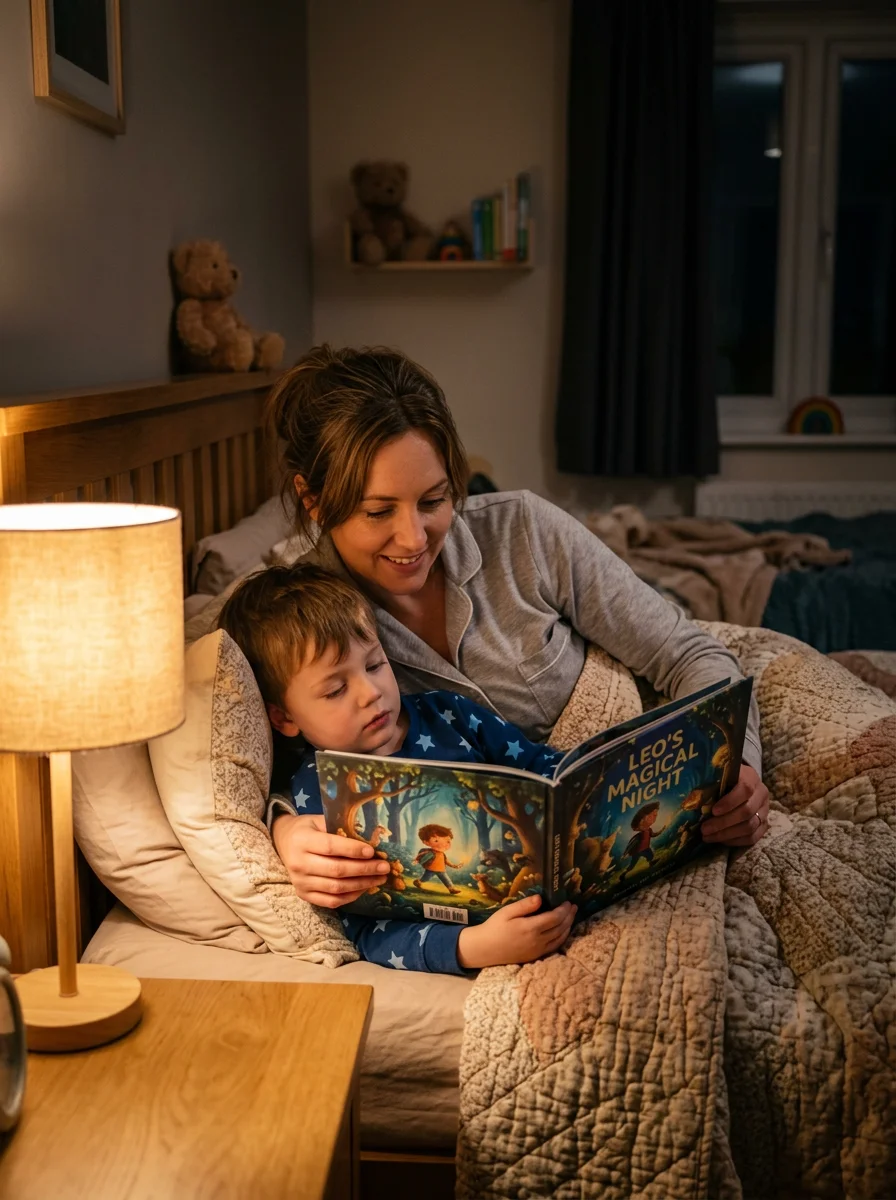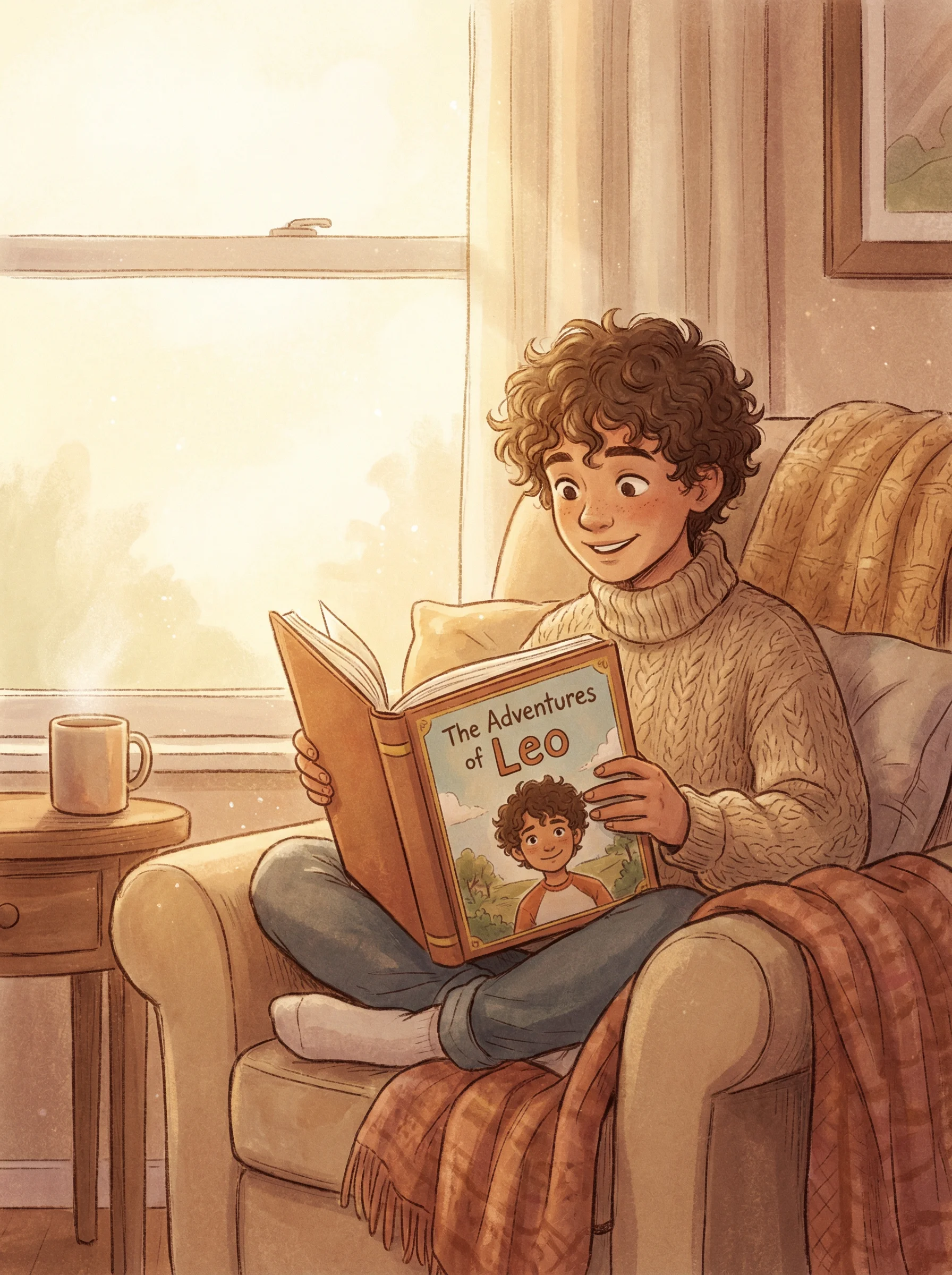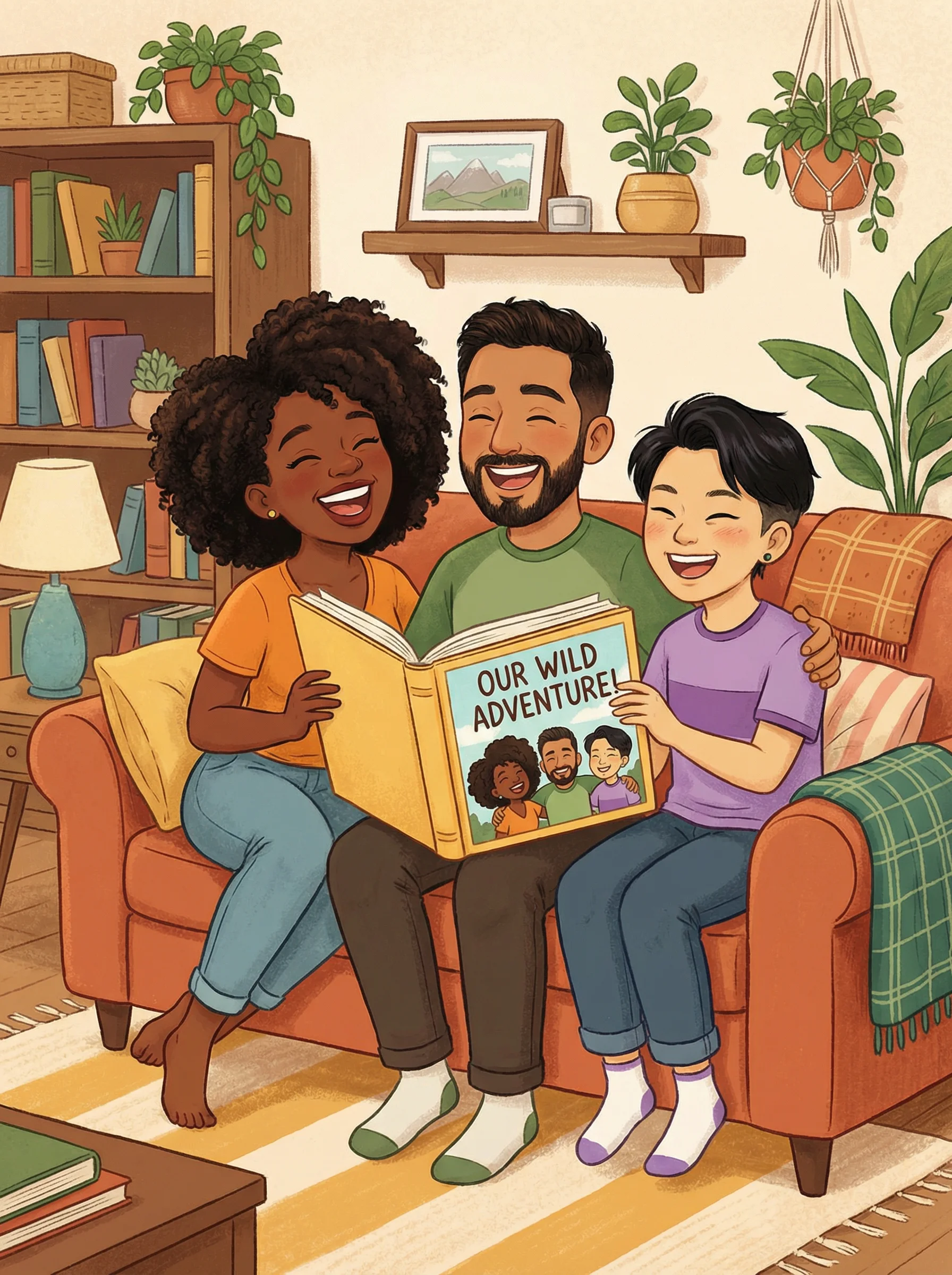
Preschoolers can go from laughing to collapsing in under a minute. A broken block tower, the wrong cup, a sibling touching the wrong thing. If you live with a child this age, you already know how huge small moments can become.
Why this feels so big to a child
At this stage, feelings arrive faster than regulation. Your child is not choosing intensity so much as getting flooded by it. That is why "calm down" usually lands badly when the wave is already overhead.
How stories help in this moment
Stories help because they create emotional distance. A child can watch another character get angry, jealous, disappointed, or sad and start to notice what happens before, during, and after the storm.
What kind of story tends to work best
Look for books that do not rush straight to a neat lesson. You want emotional honesty first, then recovery. A believable wobble matters more than a polished moral.
What to say while you read together
I would use language like, "That feeling got really big", "He stayed loved even when he messed up", and "Feelings move". Those are sturdy ideas for little kids.
How to turn it into a routine that really helps
Keep one or two emotional stories in regular rotation and return to them outside conflict. For children facing sibling change or school strain, connect them with new baby books or drop-off stories.
A simple way to start tonight
If your child opens up most when the story feels close to home, a personalized book can give those feelings a safer and more recognizable place to be explored.