The technology behind AI stories: understanding the process
AI-generated children's stories result from two complementary technologies working together. First, large language models trained on published children's literature generate the narrative. These models learn storytelling patterns—how characters develop, how conflicts resolve, how themes are woven through a story. They don't simply scramble words together; they understand narrative structure at a conceptual level.
Second, illustration generation systems create artwork that matches the story. These systems are trained on illustrated children's books and learn how to depict scenes, characters, and emotions visually. The integration of these two systems is crucial—the story and illustrations must reinforce each other, creating a cohesive experience.
What makes modern AI-generated stories different from simple templates is that each story is genuinely unique. The AI doesn't fill in blanks; it generates original content. However, this uniqueness has limits. AI tends to follow patterns it learned from training data. It's excellent at generating emotionally resonant, age-appropriate stories with clear narrative arcs, but it's less capable of the radical originality or distinctive authorial voice you find in acclaimed published children's books.
How personalization actually works
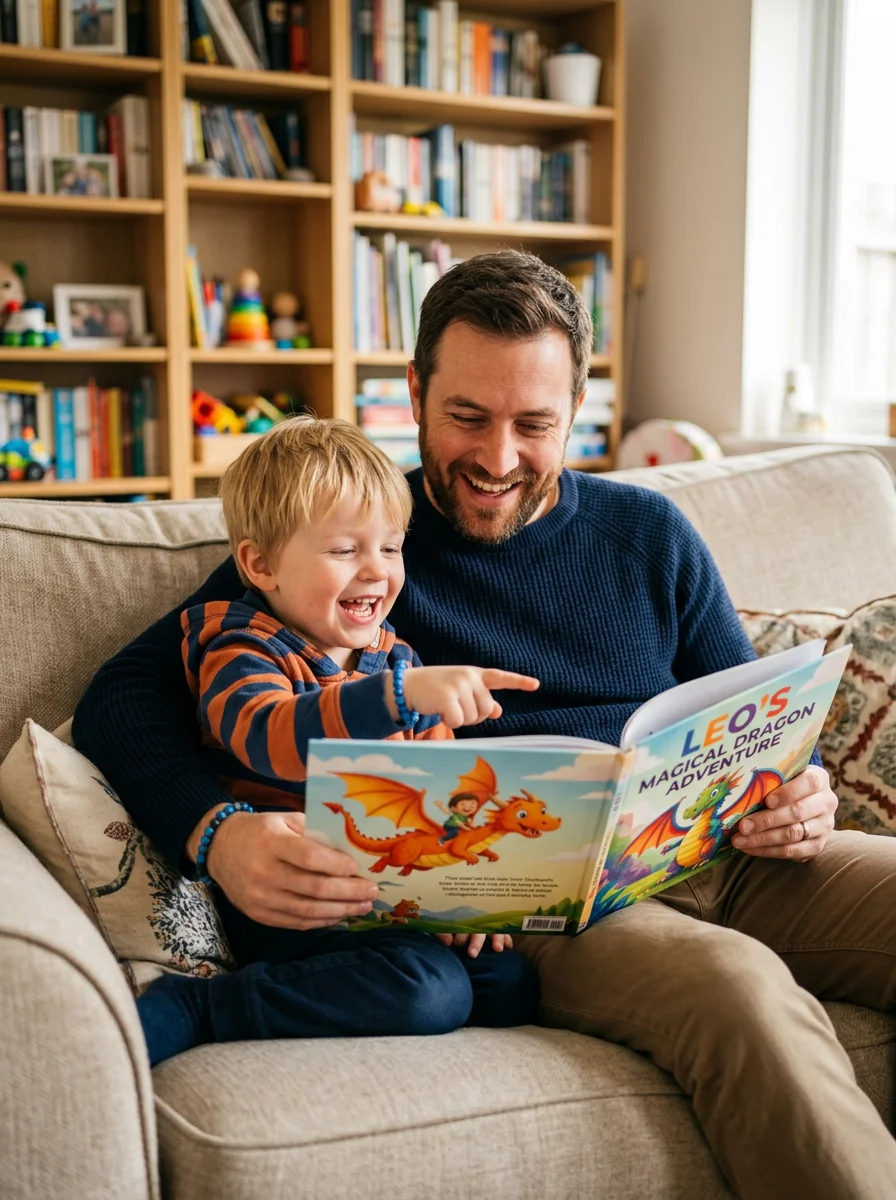
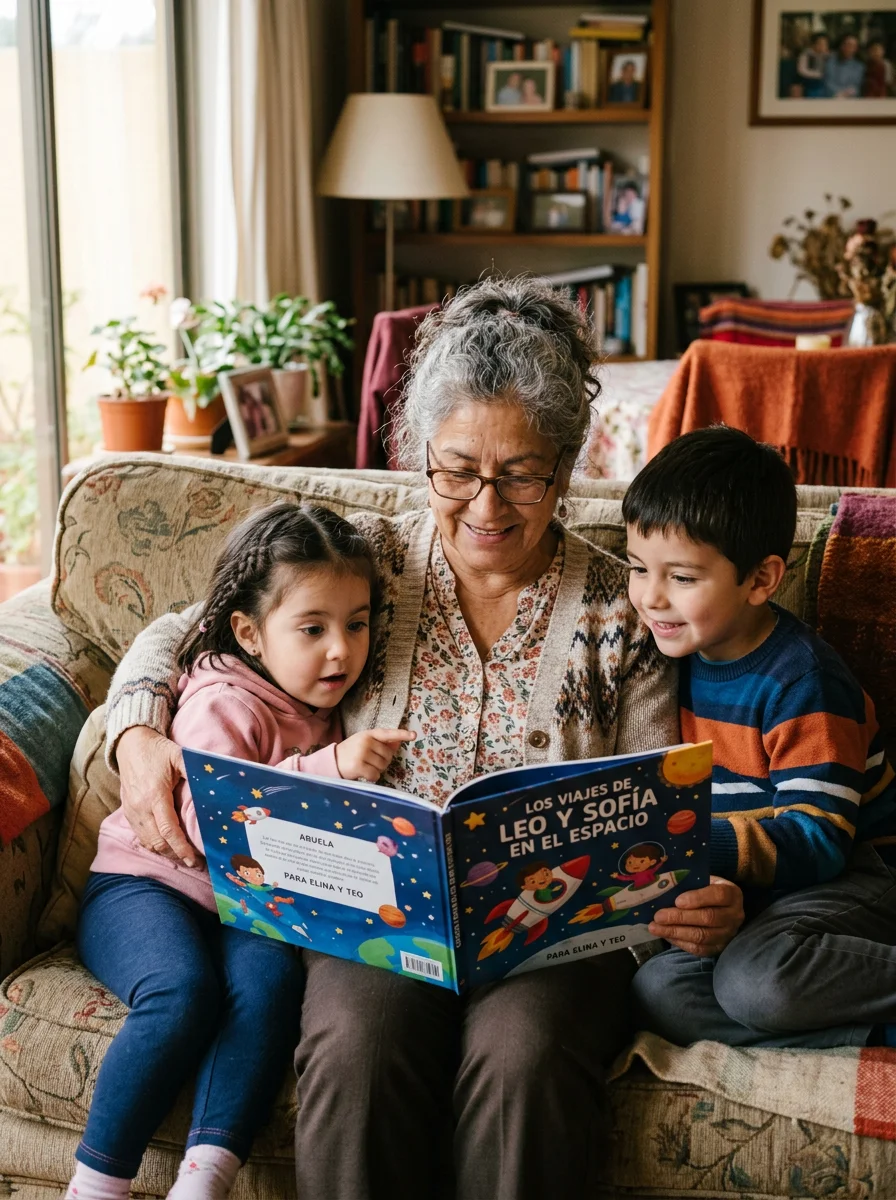
The personalization in AI-generated stories is fundamentally different from traditional publishing. When you describe your child's character, interests, and story themes, that information becomes part of the specific story context the AI uses for generation. This means the story isn't about a generic child—it's about your child, addressing their actual interests or life circumstances.
This matters because children read differently when they see themselves in stories. A child named Maya in a story about a girl named Maya with her actual interests will engage with that narrative more deeply than with a generic adventure book. Research in child development shows that representation and personalization increase reading engagement and retention.
Platforms like ImaginaCuentos take this further by allowing you to customize character details, include companion characters (siblings, friends, pets), and choose illustration styles that match your child's preferences. The level of customization determines how personalized the final story feels—more options typically mean a more individualized experience.
Content filtering, safety, and age-appropriateness
Parents naturally worry about harmful content in AI-generated material. Responsible platforms implement multiple safeguards. First, before story generation even begins, age-appropriate parameters guide the language model. A story for a 5-year-old uses different vocabulary, sentence length, and conceptual complexity than one for a 10-year-old.
Second, after generation, stories are scanned for concerning content. This includes profanity, violence, inappropriate themes, and sexually suggestive material. Third, quality platforms validate stories against educational standards, ensuring they contain age-appropriate values and problem-solving approaches.
What you should understand: content filtering isn't perfect, but responsible platforms are transparent about how it works. They should clearly define age ranges and explain their validation process. Ask potential generators how they ensure safety—vague answers are a red flag.
Illustration styles and visual appeal
The illustration style dramatically affects a story's impact and your child's engagement. Different styles suit different stories and age groups. Cartoon styles feel playful and approachable, ideal for younger children and lighthearted stories. Watercolor styles create a softer, more artistic aesthetic that appeals to children who love picture books with painterly illustrations.
Manga and comic book styles work well for older kids and action-oriented narratives. Storybook classic and Ghibli-inspired styles offer whimsical, dreamlike aesthetics that suit fantastical or emotionally resonant stories. Professional illustration styles feel more polished and realistic, suitable for educational or aspirational narratives.
Quality illustration generation has improved dramatically in recent years, but there are still limitations. Characters should look consistent across pages (though some platforms struggle here). The best generators show sample illustrations before you commit, letting you assess the aesthetic quality.
When AI stories shine: the best use cases
AI-generated stories aren't universally better than traditional children's books—they're different, with specific strengths. They excel when personalization matters: creating stories where your child is the hero, featuring their actual interests, or addressing specific life moments like starting a new school, getting a new sibling, or managing a new fear.
They're particularly valuable for representation. If your child is struggling to find published books featuring their family structure, cultural background, abilities, or interests, AI generation can create affirming stories featuring characters that look and live like them. This is something traditional publishing can't match at scale or speed.
They're valuable tools for reluctant readers. The novelty of a personalized story sometimes engages kids who haven't connected with traditional books. The fact that the story is about them, written just for them, can be the motivator that transforms reading from a chore into an adventure.
AI stories alongside traditional literature
The question isn't whether to choose AI stories or traditional books—it's how to integrate them meaningfully. Children benefit from diverse reading experiences. Traditional published books offer literary quality, diverse authorial voices, cultural richness, and the benefit of peer recommendation and critical acclaim. AI-generated stories offer personalization, immediate availability, and the specific relevance to your child's life.
A balanced reading diet includes both. Perhaps your child reads a published chapter book most days, along with picture books from the library, but also has a personalized AI-generated story that speaks directly to what they're experiencing. This variety enriches their reading life and exposes them to different narrative styles and voices.
Parents often discover that personalized AI stories increase their child's enthusiasm for reading overall, which then leads to engagement with more traditional literature. The AI story becomes a gateway rather than a replacement.
Making your decision
Not all AI story generators produce equally good results. When evaluating a platform, look at these factors: transparency (do they explain their AI methods and validation process?), customization options (how much control do you have over story elements?), sample quality (are preview stories engaging, coherent, and appropriate?), illustration consistency (do characters look the same across pages?), and user reviews (what do other parents report?).
Try a preview story if available. Does it have narrative coherence? Do events follow logically from what came before? Is the character consistent? Is the emotional arc satisfying—does the character face a challenge and respond to it? Would your child enjoy this?
If you're curious, see how ImaginaCuentos works or try creating a personalized story. The best way to understand whether AI-generated stories fit your family is to experience one firsthand.