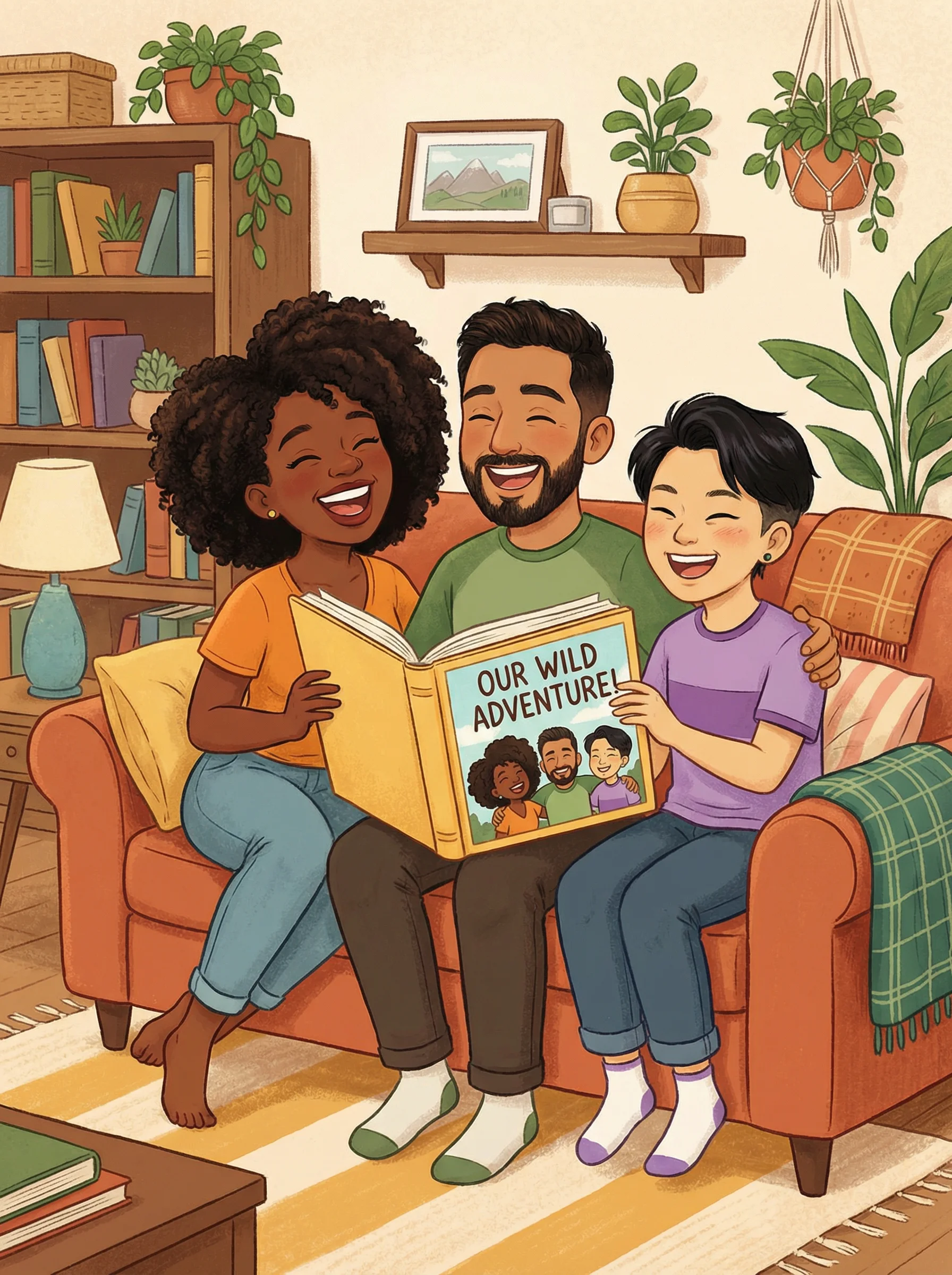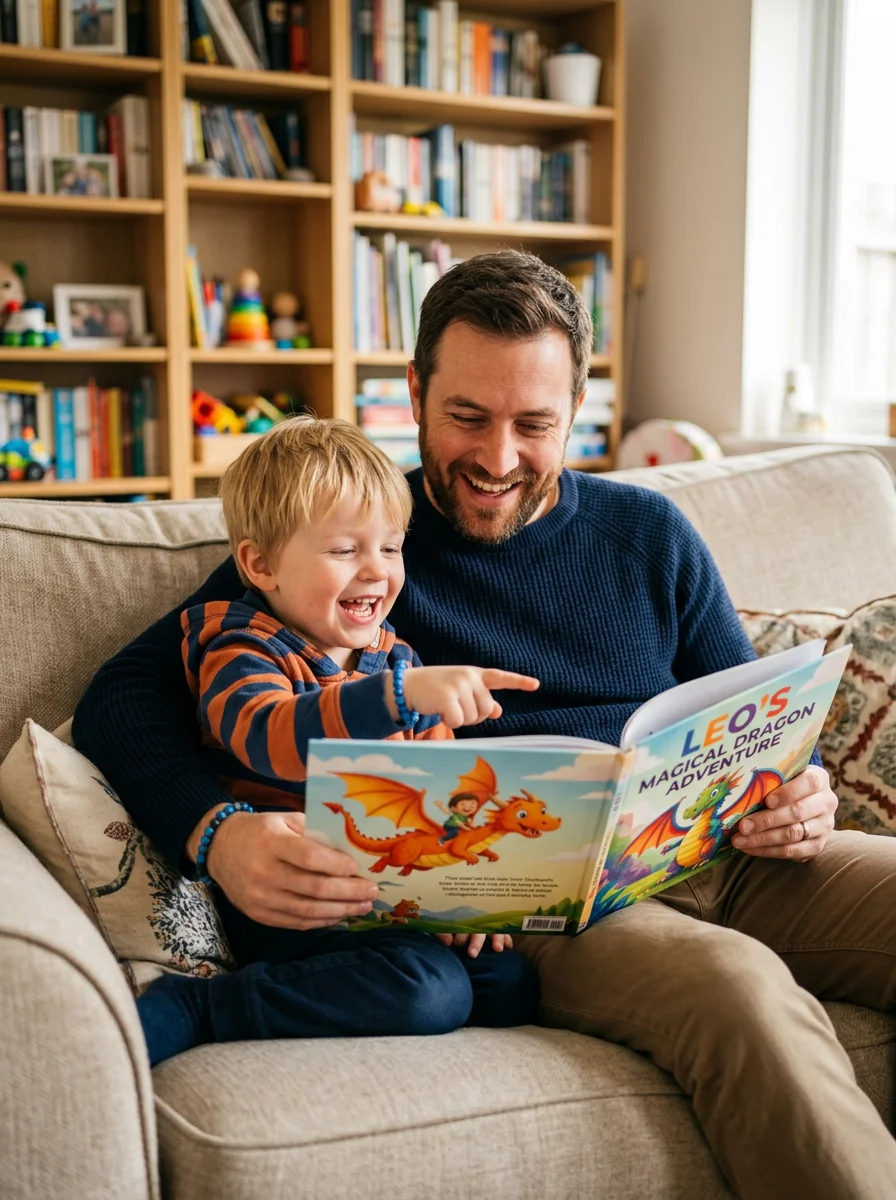
What are AI-generated children's stories?
AI-generated children's stories are books created using artificial intelligence technology that combines advanced language models with illustration systems. Unlike traditional publishing, where a human author writes a story and an illustrator creates artwork, AI story generation happens in minutes rather than months. Parents might wonder: are these really "stories," or just computer-generated text? The answer is more nuanced than a simple yes or no.
Modern AI systems are trained on thousands of published children's books, storytelling patterns, and age-appropriate language. When you describe a character—say, a brave rabbit named Luna—the AI doesn't just fill in a template. It generates original narratives that follow narrative structure, character development, and thematic coherence. The best AI story platforms then validate these stories against quality benchmarks before they are illustrated and delivered to families.
How AI story generation works
The process typically involves three stages. First, you provide details: your child's name, age, character preferences, and theme. This input is crucial—the quality of the story depends directly on how specific your information is. Second, the AI generates a complete narrative, usually 5-22 pages, following storytelling principles: setup, conflict, resolution. Third, an illustration AI interprets the story to create matching artwork, typically using different style options (cartoon, watercolor, manga, storybook classic, and others).
What makes this different from generic story templates is that each story is unique. Two parents entering "my daughter loves dragons" won't receive identical stories—the AI generates fresh content each time. Quality platforms like ImaginaCuentos add validation layers where secondary AI systems check that stories are coherent, emotionally appropriate, and engaging before delivery.
Quality considerations: separating hype from reality
Not all AI story generators produce the same quality. Some deliver coherent, touching stories that kids genuinely enjoy. Others produce stilted, formulaic content with awkward phrasing or logical gaps. Here's what to look for: Does the generator allow you to customize character details and themes? Do they offer preview samples? Can you see the illustration style options?
The best platforms are transparent about their process. They should clearly explain which AI models they use, how they validate stories for age-appropriateness, and what safety features they employ. Be skeptical of generators that promise perfection or claim their stories are "indistinguishable from published books"—that's marketing, not reality. What AI excels at is personalization and speed, not necessarily matching the artistic vision of award-winning illustrators.
Safety, content filtering, and age-appropriateness
Parents reasonably ask: what about harmful content, inappropriate themes, or educational value? Responsible AI story platforms implement multi-layer filtering. Before a story is generated, age-appropriate guardrails are applied to the language model. After generation, stories are scanned for concerning content. The best platforms go further—they validate that stories contain positive messaging, age-appropriate vocabulary, and educational elements like problem-solving or emotional intelligence.
What you should expect: stories for 5-year-olds use simpler vocabulary and shorter sentences than stories for 10-year-olds. Age ranges should be clearly defined (not vague), and platforms should explain their content filtering approach. Reputable platforms will have this information readily available.
When AI stories shine: the real advantages
AI-generated stories aren't replacements for traditional children's literature—they're complementary. They excel in specific situations. If your child struggles to find representation in mainstream publishing (specific cultural background, family structure, interests), AI generation can create affirming stories featuring characters that look and live like them. This personalization is difficult and expensive to achieve through traditional publishing.
AI stories also work beautifully for specific life moments: a new sibling, starting school, overcoming fears, or processing change. Rather than hoping to find a published book that perfectly captures your child's situation, you can have one created in days. Parents also appreciate the novelty factor—kids find it engaging that the story features them or their actual interests, which can encourage reluctant readers.
Making your decision: key questions to ask
Before trying an AI story generator, ask these questions: Is the platform transparent about its AI methods? Do they explain how stories are validated for quality and safety? Can you see a sample story or preview? What illustration styles are available, and do you like the aesthetic? Is pricing clear, or are there hidden costs? Do they offer customization options, or is it mostly formula-based?
Try a preview story first if the platform offers it. See whether you and your child enjoy the result. Pay attention to the story's coherence, character development, and emotional arc. If it resonates with you and your family, great—you've found a useful tool. If it doesn't, that's fine too; AI-generated content isn't for everyone, and that's a perfectly valid conclusion.