The rise of two reading worlds
Parents today face a choice that previous generations never had: should I introduce my child to AI-generated personalized stories, traditional published books, or both? This isn't a battle to be won by one side. Instead, these two approaches to children's literature serve complementary roles in developing confident, curious readers.
The conversation often gets polarized. Some celebrate AI personalization as revolutionary; others worry it diminishes the craft of traditional children's literature. The truth is more nuanced. Both have genuine strengths, and a balanced approach gives children the richest reading experience possible.
When AI personalized stories excel
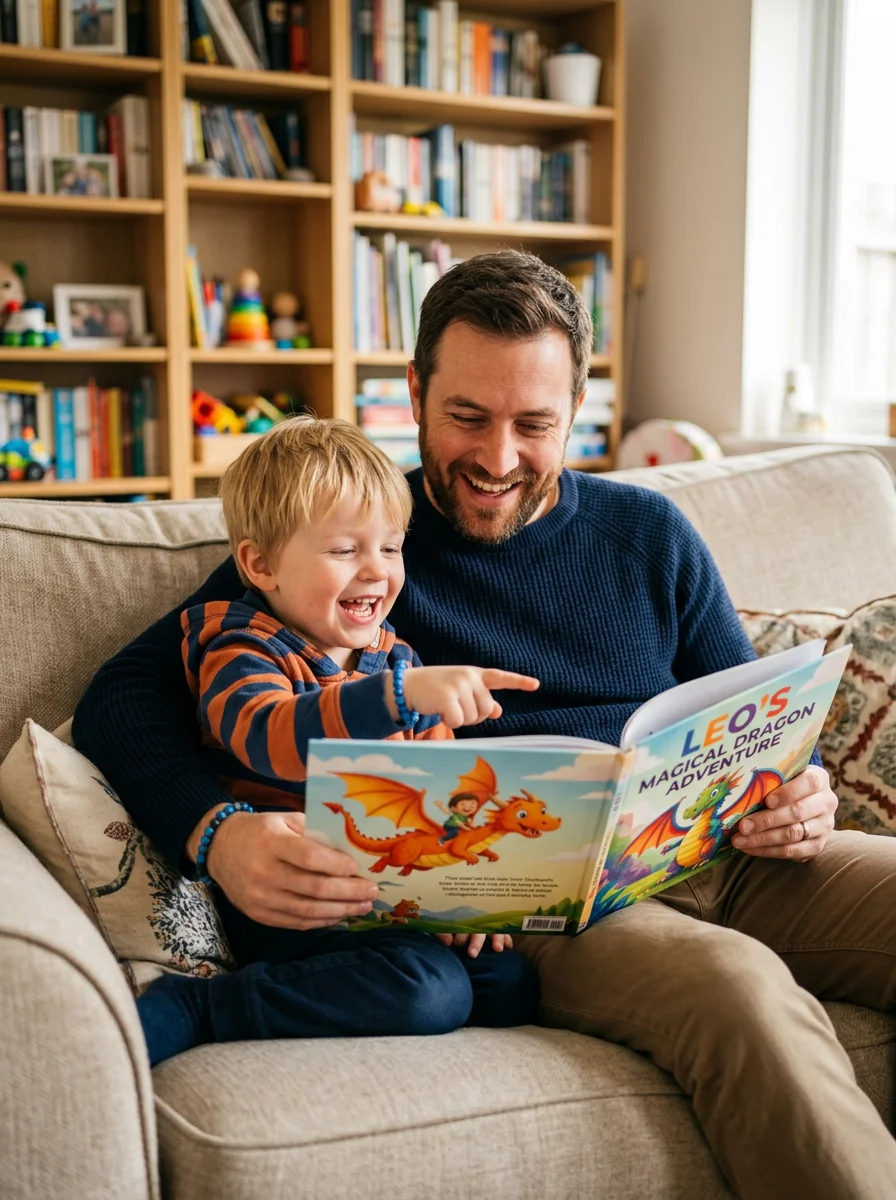
AI-generated personalized stories shine brightest in moments where representation and relevance matter most. When your daughter sees herself as the protagonist—with her actual name, her favorite hobbies, her unique appearance—something magical happens. Suddenly, reading feels personal. It's not a story she's reading; it's her story.
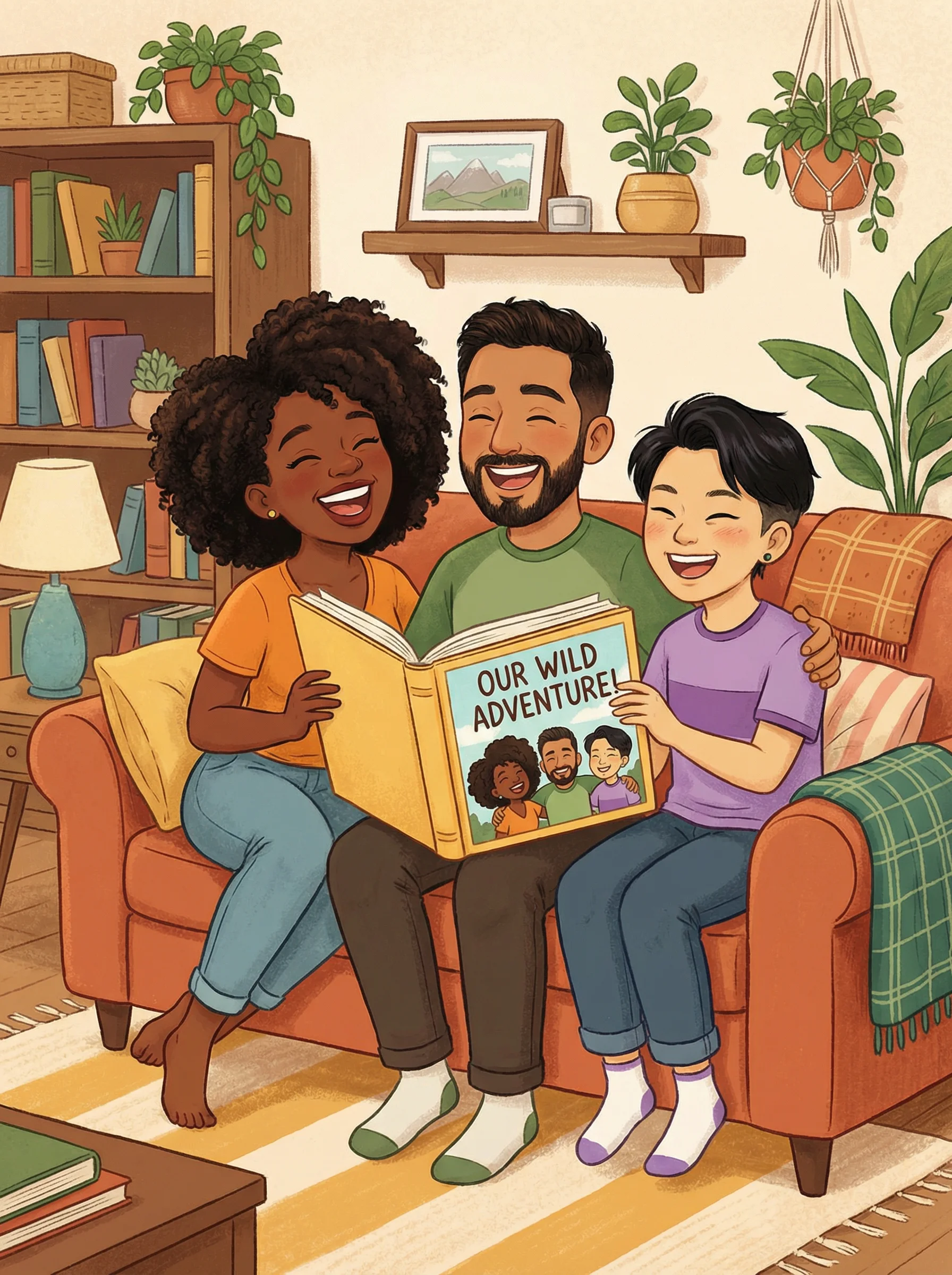
This is particularly powerful for children who rarely see themselves reflected in mainstream publishing. A child with an uncommon name, living in a non-traditional family, or using a wheelchair can finally be the hero of their own adventure. Traditional publishing, bound by market economics and distribution constraints, has historically struggled to offer this level of customization.
AI personalized stories also excel at bridging specific life transitions. When your child is starting school, moving to a new city, dealing with a change, or grieving a pet, a story that directly addresses their situation—with familiar characters and their own name—provides comfort and validation that a generic picture book cannot.
Additionally, bilingual families benefit tremendously. A child learning both Spanish and English can see themselves in stories crafted in both languages, reinforcing their dual identity and language development simultaneously.
Where traditional books remain irreplaceable
Yet traditional children's literature holds something AI cannot easily replicate: artistic legacy and cultural weight. When your child reads a beloved classic, they're entering a world crafted by talented authors and illustrated by skilled artists over months or years. They're part of a tradition. They can make the same discoveries their grandparent made.
Traditional books offer something subtler but crucial: unexpected imagination. A skilled author and illustrator create story moments you couldn't have requested because you didn't know they were possible. That moment when a child gasps at a beautifully rendered page, or laughs out loud at a line they didn't see coming—these surprises shape how children think about storytelling itself.
The literary quality difference is also significant. Traditional children's literature is edited by professionals, refined through multiple drafts, and selected through a rigorous publishing process. The best traditional picture books are works of art. The language is precise. The illustrations are masterpieces.
There's also the social dimension: shared references. When children read the same books as their peers, they can discuss them at school, feel part of a cultural moment, and build reading community with classmates.
How they complement each other
The ideal approach isn't choosing sides—it's layering both into your child's reading life. Start with a beloved traditional classic at bedtime for its timeless comfort. Follow it with a personalized story during a transition period to validate their specific experience. Balance well-illustrated traditional books from your library with AI stories that center your child's unique identity.
Think of personalized stories as a supplement that strengthens engagement and relevance, while traditional books form the foundational literary diet. A child who loves seeing themselves in personalized stories often becomes more enthusiastic about reading generally, which makes them more likely to pick up traditional books too.
This approach also teaches children something important: stories serve different purposes. Some stories are about exploring new worlds and imaginations (traditional literature). Other stories are about seeing yourself and your life reflected back (personalized stories). Both are valid. Both matter.
Practical tips for balancing both
Create a reading rhythm that includes both. Perhaps weekdays feature personalized stories on specific topics your child is exploring, while weekends are reserved for traditional books from your library. Or alternate between reading a chapter from a classic novel and enjoying a fresh personalized story.
Ask your child's preferences too. Some children are drawn to seeing themselves as protagonists; others prefer the escape of traditional fantasy. Neither choice is wrong. As they grow, their preferences will evolve, and they can develop deeper connections with both genres.
When exploring personalized stories, look for quality. ImaginaCuentos creates illustrated personalized books that honor both representation and artistic quality—they're not just name replacements in template stories, but fully customized narratives with original illustrations. Similarly, continue investing in high-quality traditional books rather than settling for low-cost reprints.
A future where both thrive
The children's literature landscape isn't binary. It's expansive. Your child doesn't have to choose between the magic of beloved classics and the joy of being the main character in their own adventure. They can have both.
The most engaged young readers aren't those who read only personalized stories or only classics. They're children who experience both, who understand that stories can reflect their reality and expand their imagination, sometimes simultaneously.
Want to explore how personalized stories work and whether they might complement your current reading routine? Your child's literary journey is unique, and the tools available today—both traditional and AI-powered—make it richer than ever.