The shift from mass-market to personal
For a century, children's books followed an economic model: publishers invested heavily in books they hoped would appeal to as many children as possible. Publishers needed bestsellers to offset slow sellers. This meant stories tended to cluster around safe themes, familiar protagonists, and broad appeal.
AI is quietly dismantling this model. For the first time, it's economically feasible to create a story for an audience of one—your child specifically—without losing quality. This isn't just about convenience. It's a fundamental shift in how childhood storytelling can work.
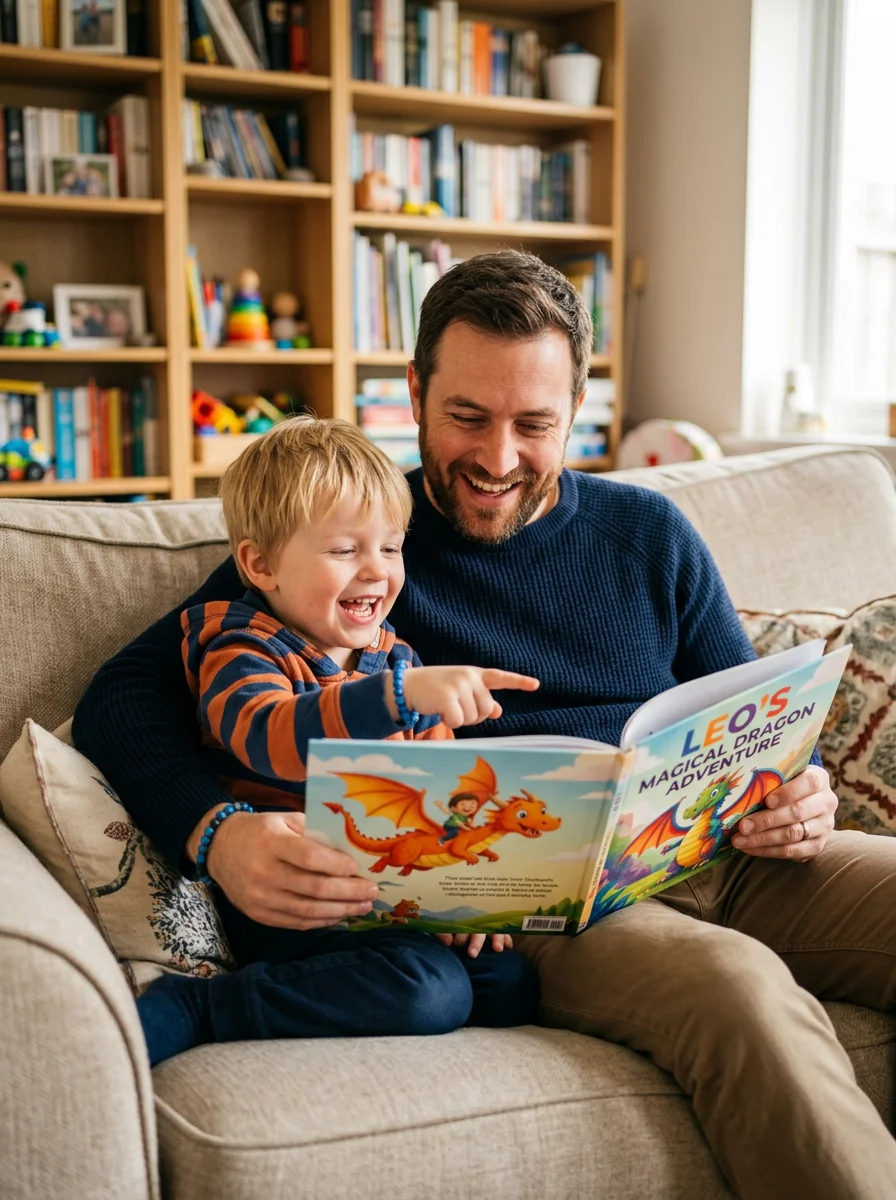
In 2026, a parent can describe their child's unique situation, personality, and interests, and receive a custom-illustrated story that speaks directly to them. Not a template with a name swapped in. A genuinely crafted narrative. This was impossible before. Not because authors lacked the will, but because the economics didn't work. AI changes that equation.
Representation at last becoming real
One of the most visible changes is representation. For decades, the publishing industry struggled with a simple fact: children who didn't fit the mainstream mold—uncommon names, mixed-race families, single-parent households, children with disabilities, kids from immigrant families—were underrepresented in literature. Publishers wanted to fix this, but margins were thin and backlists slow to update.
AI personalized storytelling solves this overnight. A child named Aisha isn't hoping for her name to appear in a book released eventually. Her story—with her name, her family structure, her neighborhood, her appearance—can be created today. A child with cerebral palsy isn't searching for rare representation. They can be the athlete in their own adventure.
This isn't tokenism. This is direct, immediate inclusion. And it matters psychologically. Research on representation in media shows that children who see themselves as protagonists develop stronger sense of possibility and identity.
Bilingual storytelling as standard, not exception
Another real transformation: bilingual stories are becoming standard. For families raising children in multiple languages, traditional publishing offered painful compromises. You could buy books in Spanish or English, but your child had to choose which language "belonged" to them through reading material.
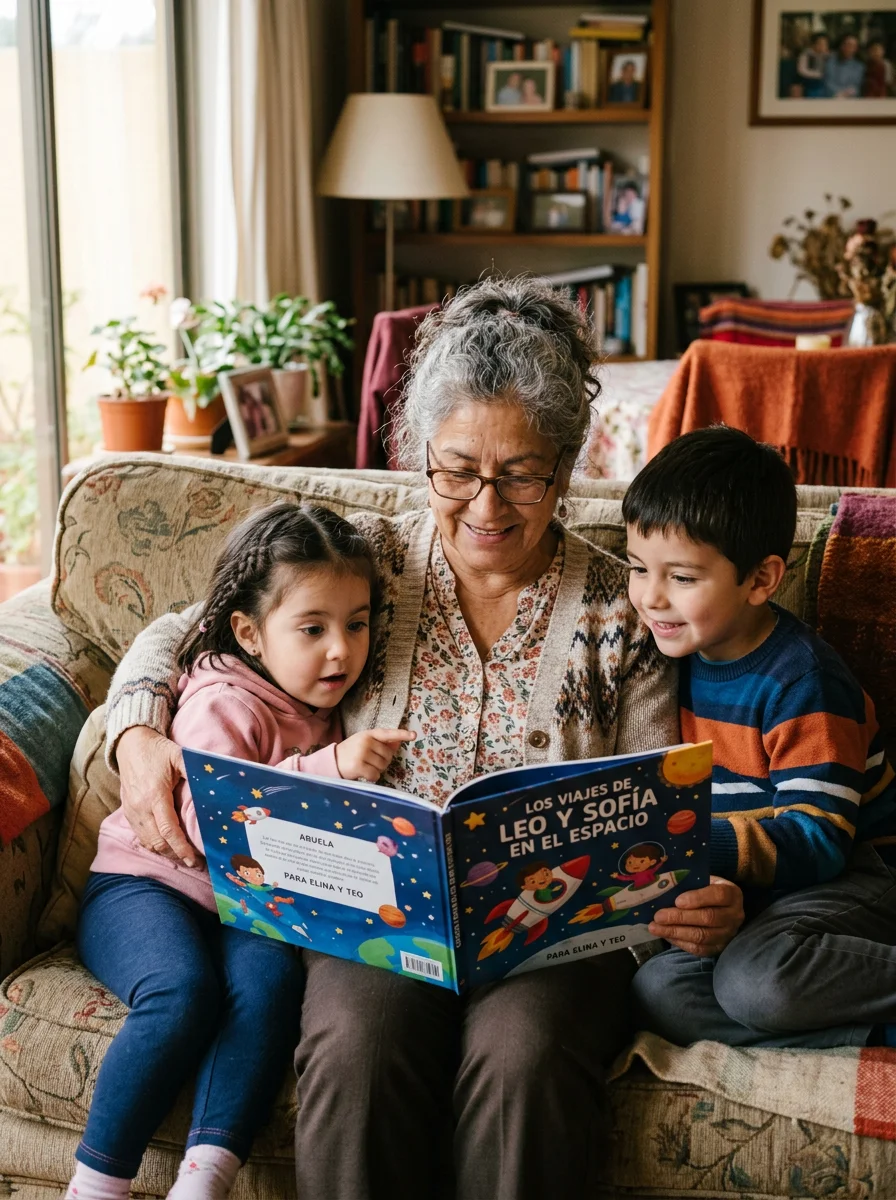
AI-powered platforms now generate stories in multiple languages simultaneously—true bilingual narratives where the story flows between languages, reflecting how many children actually experience their world. A story can weave between Spanish and English naturally, reinforcing both languages within the same narrative.
This is reshaping how bilingual children develop literacy and identity. They're not consuming translated books. They're reading books that honor their bilingual reality.
Stories for specific life moments
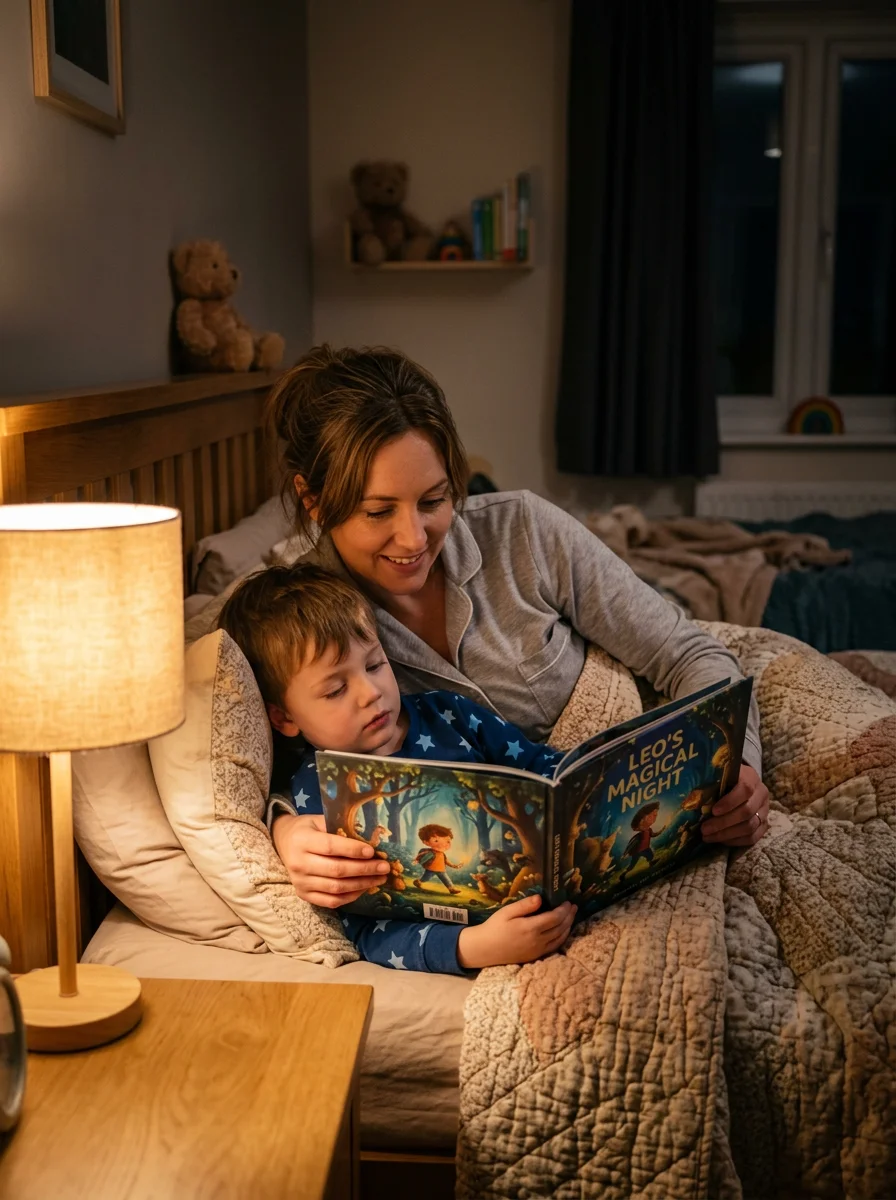
One of the most moving applications of AI storytelling is therapeutic: creating stories for specific life transitions and challenges. A child grieving a pet doesn't need a generic book about loss—they need a story about their pet, their feelings, their family's situation.
Parents are using personalized stories to help children through:
- Starting kindergarten or a new school
- Adjusting to a new sibling
- Processing family changes
- Building confidence around social anxiety or specific fears
- Celebrating achievements and milestones
These aren't replacements for professional counseling. But they're powerful tools for helping children process their emotions by seeing themselves as capable, loved characters navigating the same challenges.
What's real vs. what's hype
Real transformation: Personalization at scale. Every child can have a custom story. This was impossible before.
Real transformation: Speed. A personalized illustrated book that once would have taken weeks can now be created in hours. This changes economics fundamentally.
Hype: AI replacing children's authors. This isn't happening and likely never will. The most successful AI-powered personalized stories use AI as a tool to extend the reach of human creativity, not replace it.
Hype: AI solving educational gaps. While personalized stories can reinforce learning, they're not magic bullets. A well-written personalized story won't replace a good teacher, but it can complement classroom learning nicely.
Real change to monitor: Quality variation. As AI storytelling becomes more common, quality will vary dramatically. Parents need to develop judgment about which tools produce stories worth reading.
What this means for the future of children's stories
AI is changing children's stories, but not in the science-fiction way some predicted. We're not seeing AI replace human authors entirely. Instead, we're seeing AI democratize something that was once elite: the ability to have a story created specifically for you.
This shift will likely accelerate diversity in children's literature not through representation mandates, but through simple economics: personalized stories naturally reflect the full diversity of humanity because they're created for the full diversity of humanity.
The children's literary landscape is bigger, more personal, and more inclusive than it was a few years ago. These aren't subtle changes. They're real shifts in who gets to be a story's protagonist, and how quickly that can happen.
Curious about exploring personalized stories for your child? The technology is mature enough now that the question isn't whether they work, but how they might fit into your family's reading life.